06
Plaid Events
The Problem
Right after launching our brand, Plaid faced a big problem. How do we reinvent the way our brand looks and feels in the physical world? This was a challenge that required an entirely new system inspired by our existing digital rules. The way texture, light, and sound interacted in the real world informed the way our customers experienced us across major events, product launches, and out-of-home campaigns. The problem was that in 2025, almost everyone in fintech was competing for attention. How could we stand out amidst the noise while preserving the integrity of our brand new design system?

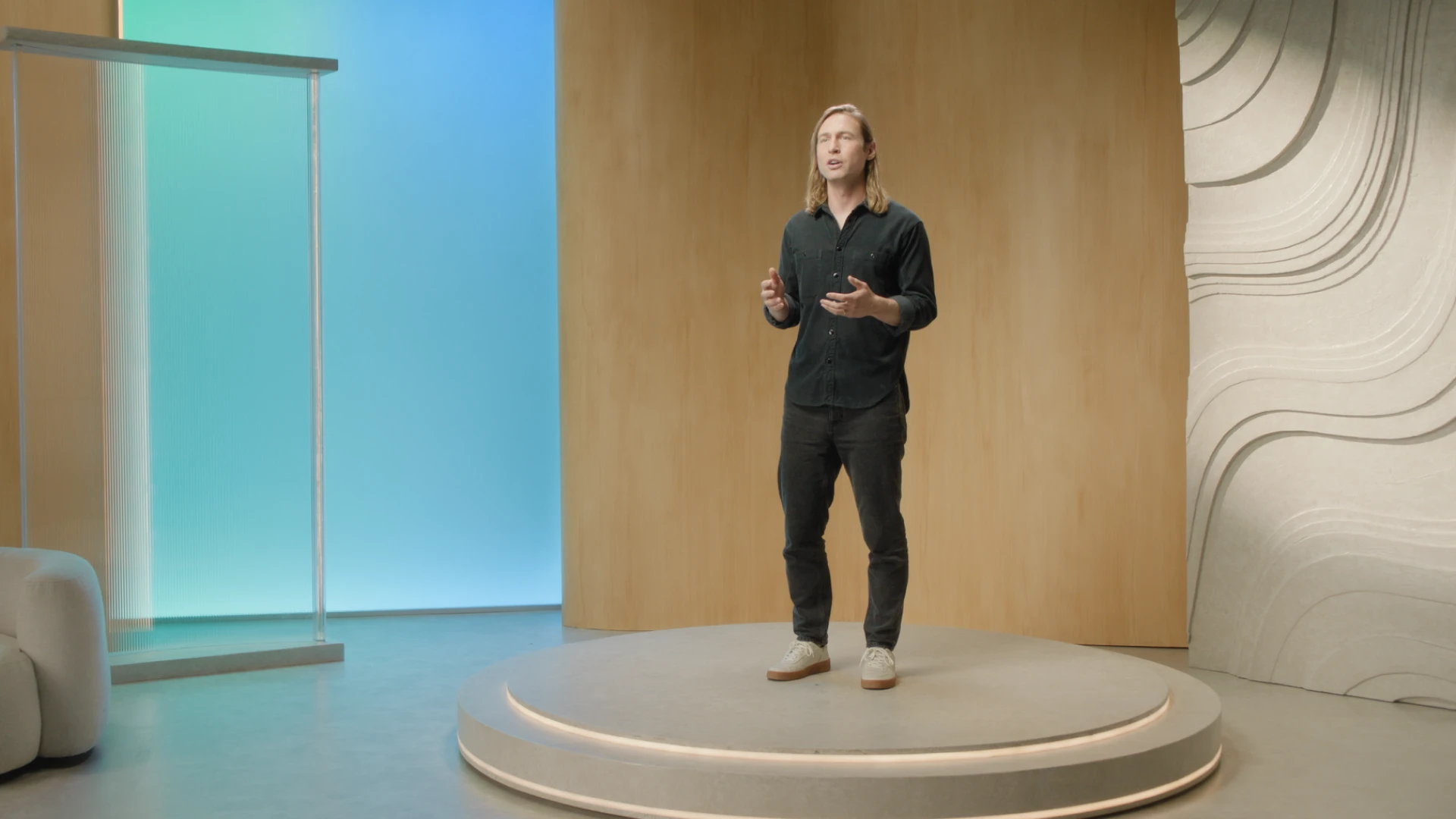
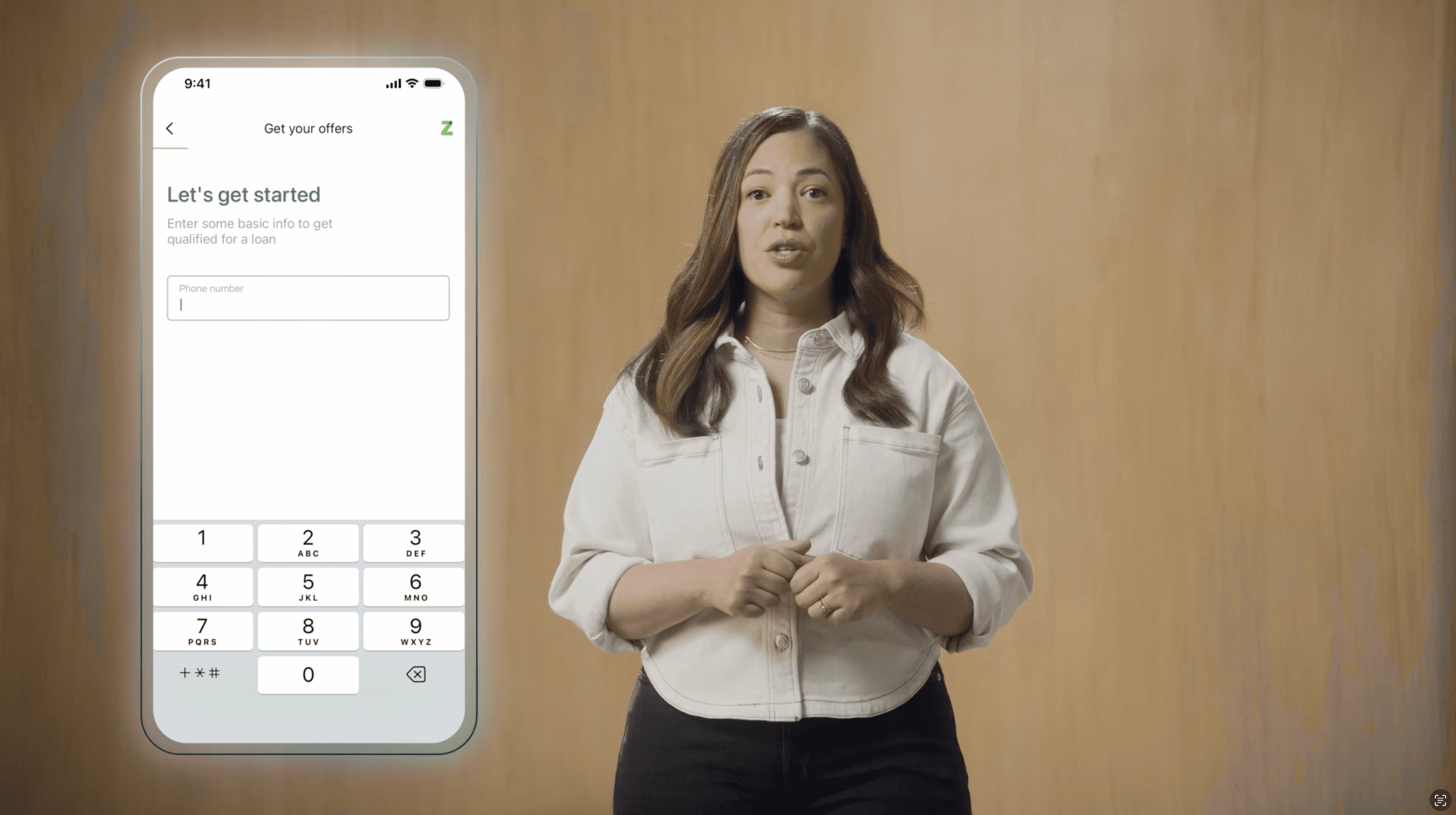
Our first test came in June, when our annual product announcement event, called "Effects," demanded the entire company's resources to showcase a suite of new fraud-fighting and credit-related products. The brand was still new, so we used this event as a testing ground to explore new ways to represent Plaid in a digital, livestream format. This gave us permission to see how a physical set, cinematography, and live-action scripts could elevate and reinforce our new brand's design and tone.
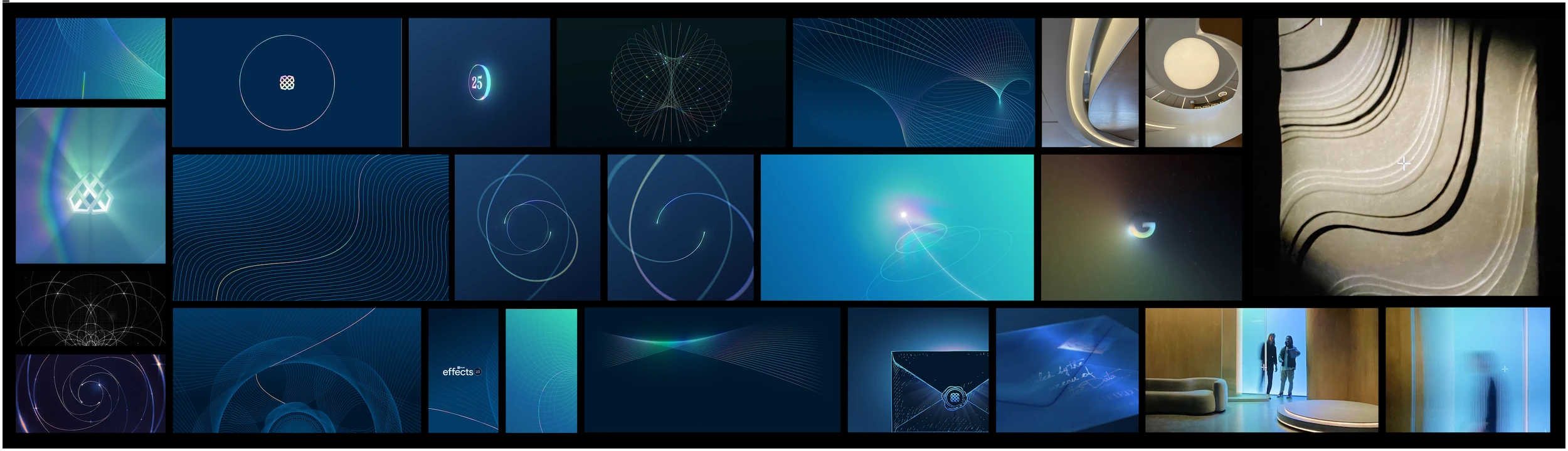
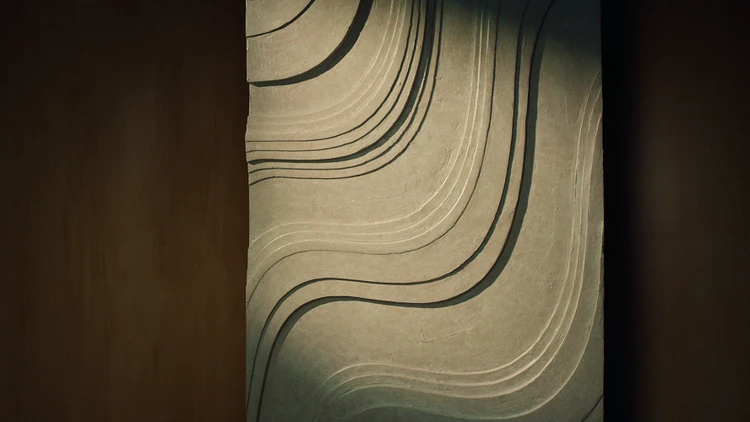
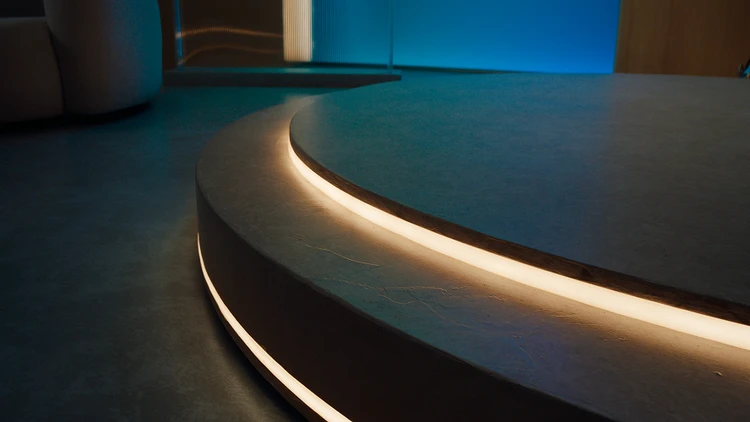
We wanted the set design to feel timeless, rooted in what we called bright brutalism—essentially a balance of strong, bold materials and warm, inviting details that harken to the sturdiness of finance and the optimism of technology. Our floating graphics and motion used light and colors to communicate insights, creating a space that felt both dynamic and approachable. To do this, we wanted to mix dark tones with wood, concrete, glass, and LED screens, while using under-lighting to add depth and contrast. External elements, like furniture, should be stylish and carry a distinct point of view without feeling overly trendy, reinforcing the tactile and human-centered qualities of Soft Brutalism.
Hi hello
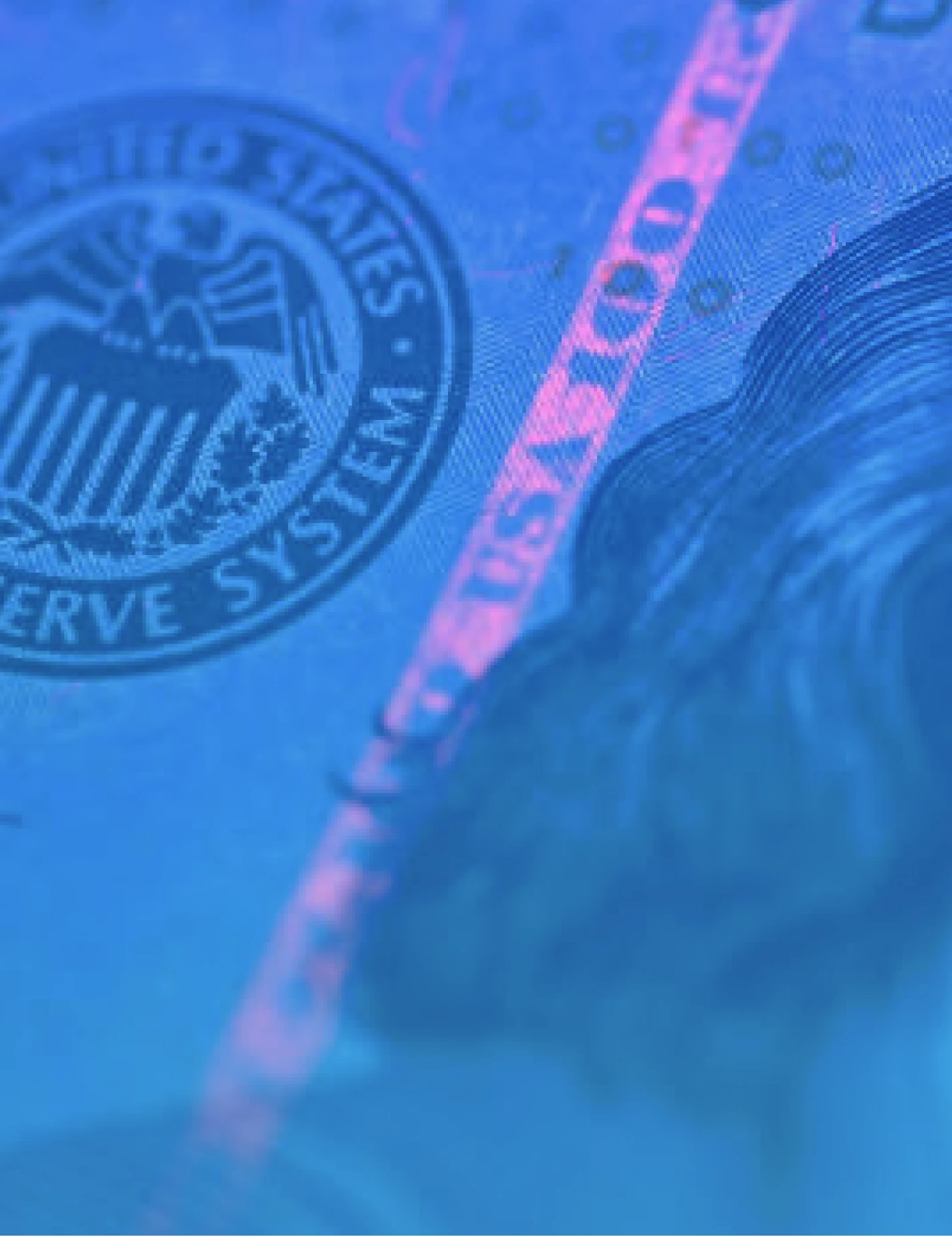
To reflect our brand's commitment to reinventing money, we found inspiration in material the bridged the gap between old and new.

The Solution
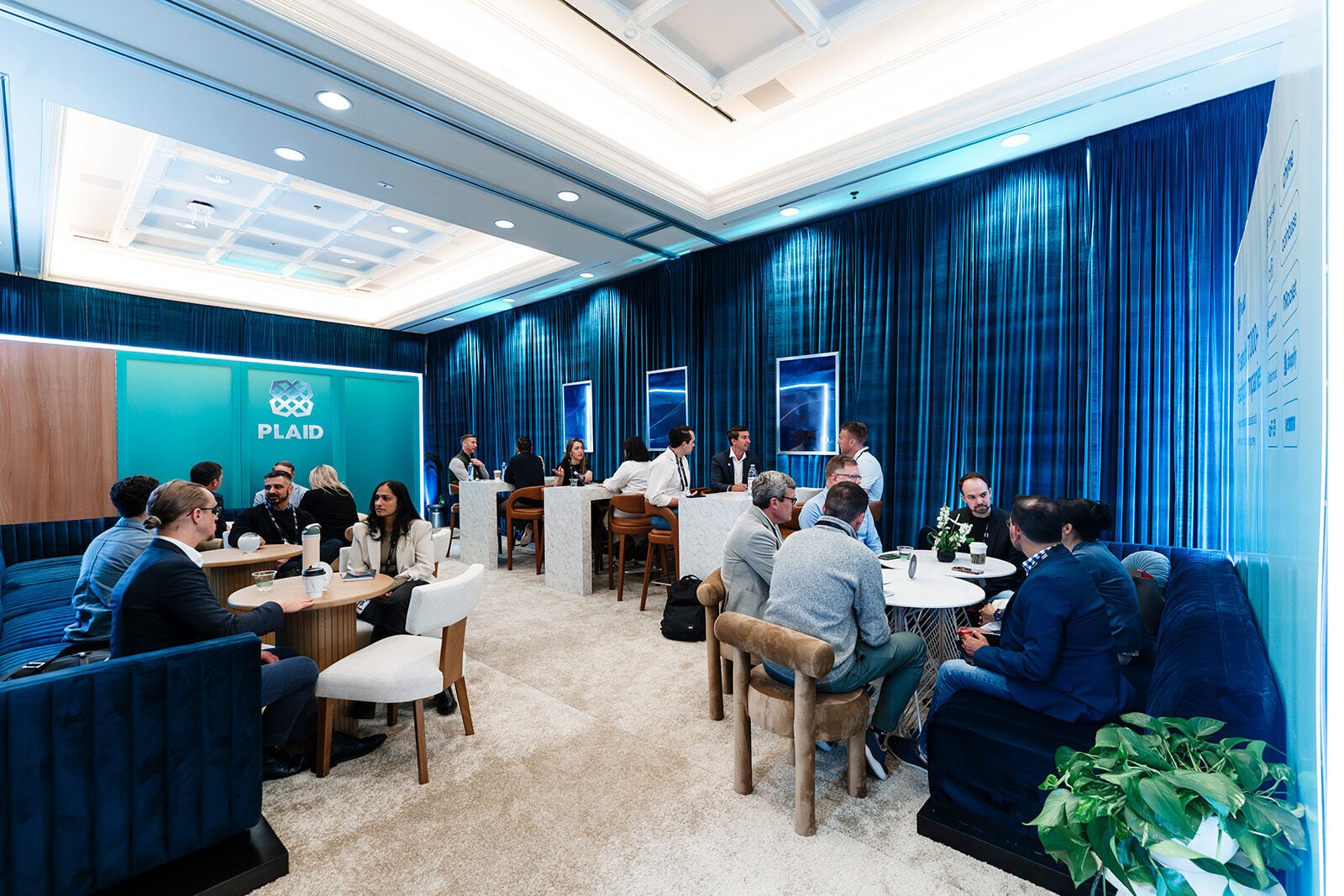
Over time, we began to build a language for our spatial design that transcended the digital. Our spaces are where trust meets curiosity. Every Plaid environment should feel timeless yet modern—a balance of strong, enduring materials and warm, human details. Stone for our enduring legacy and security, wood for our flexibility and openness, glass for our transparency and vision. Refined materials establish credibility and polish. Tailored curtains, considered furniture, leather, and stone (like marble) create spaces that feel confident, elevated, and thoughtfully finished—never flashy. Natural elements anchor the environment. Plants bring warmth, texture, and balance, making spaces feel human, welcoming, and built to last. Targeted moments draw the eye and create contrast. Gradients, light trims, chrome, and holographic accents are used with restraint to introduce energy and modernity—small gestures that make the space memorable.
Our spatial design evolved further for our Fall Release event at Money 2020, fintech's premier industry conference. Our booth underscored our position as the fabric of finance, leveraging long curtains that opened and revealed doorways—like portals—to new and emerging products. Plaid Reveal was a sensory experience built around light, mirrors, and movement designed to showcase the intelligence behind today’s best financial experiences. As our customers moved through the space, every reflection, texture, and conversation was designed to reveal Plaid’s evolving role in shaping the fabric of finance—making it smarter, safer, and more connected.
Money2020 launched in tandem with Plaid's first out-of-home campaign. This series was designed to let a broad audience know a little bit more about Plaid, namely that we offer products and services beyond just standard account linking. From fighting fraud to evolving the lending experience, Plaid's brand took center stage with a new campaign blending the old with the new.
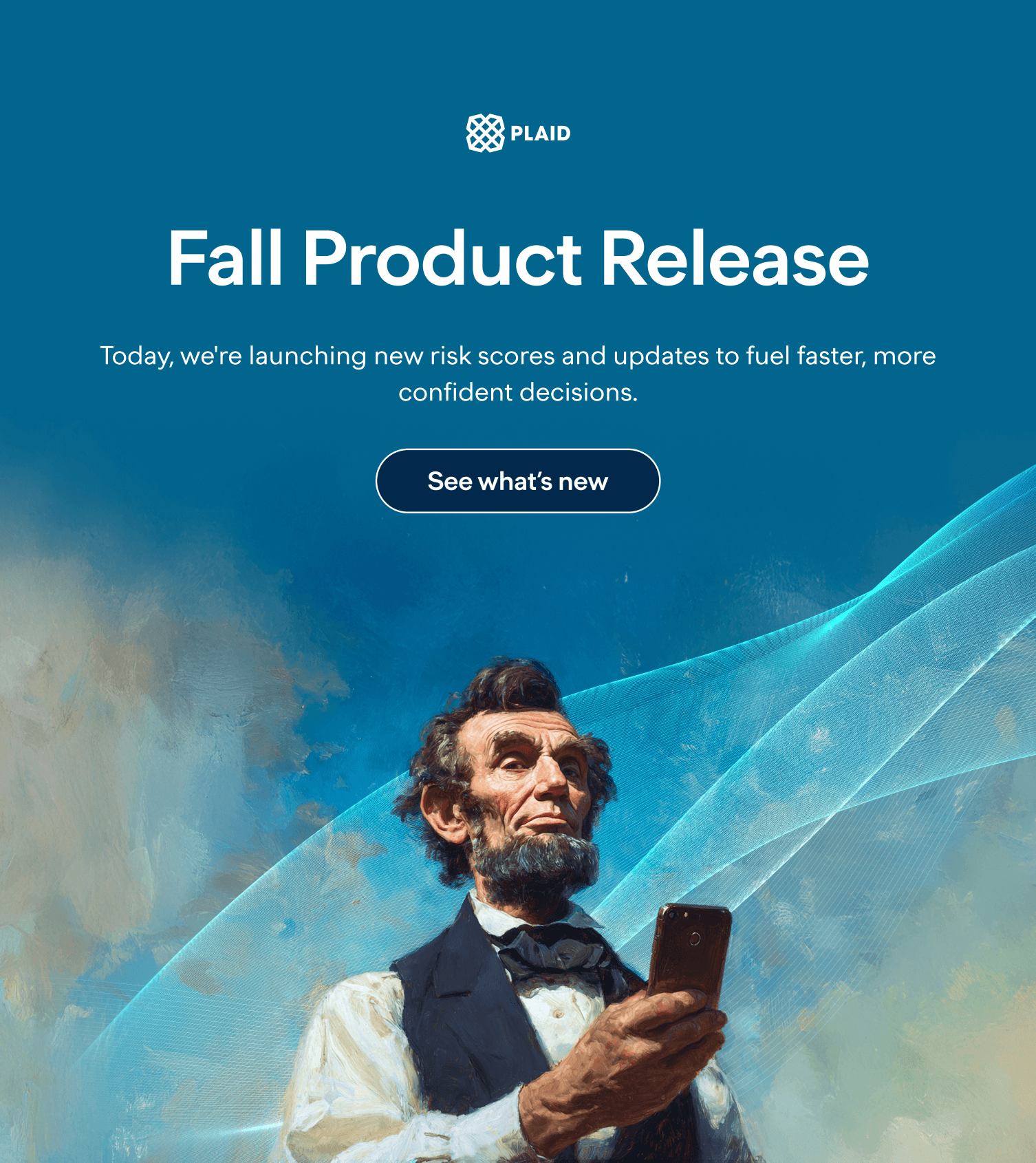
Using generative AI in partnership with real artists, we developed a series of oil-paintings featuring famous figures from currency. They appeared on billboards around the country announcing new Plaid products. Our most successful placement was an oil-painted Paul Revere warning Plaid customers about the looming threat of fraudsters, a real threat to digital finance who are now armed with the deadly tools of machine learning. We used generative AI to create the portrait before commissioning muralists to paint Paul for real, displaying him on buses, billboards, and some of the largest ad units around the world, including Resorts World Las Vegas. To complement the campaign, we hired a Paul Revere impersonator to ride through Money 2020, warning our customers in real-time. The outcome was surprisingly successful, allowing Plaid to rise above the noise during a busy time for fintech.
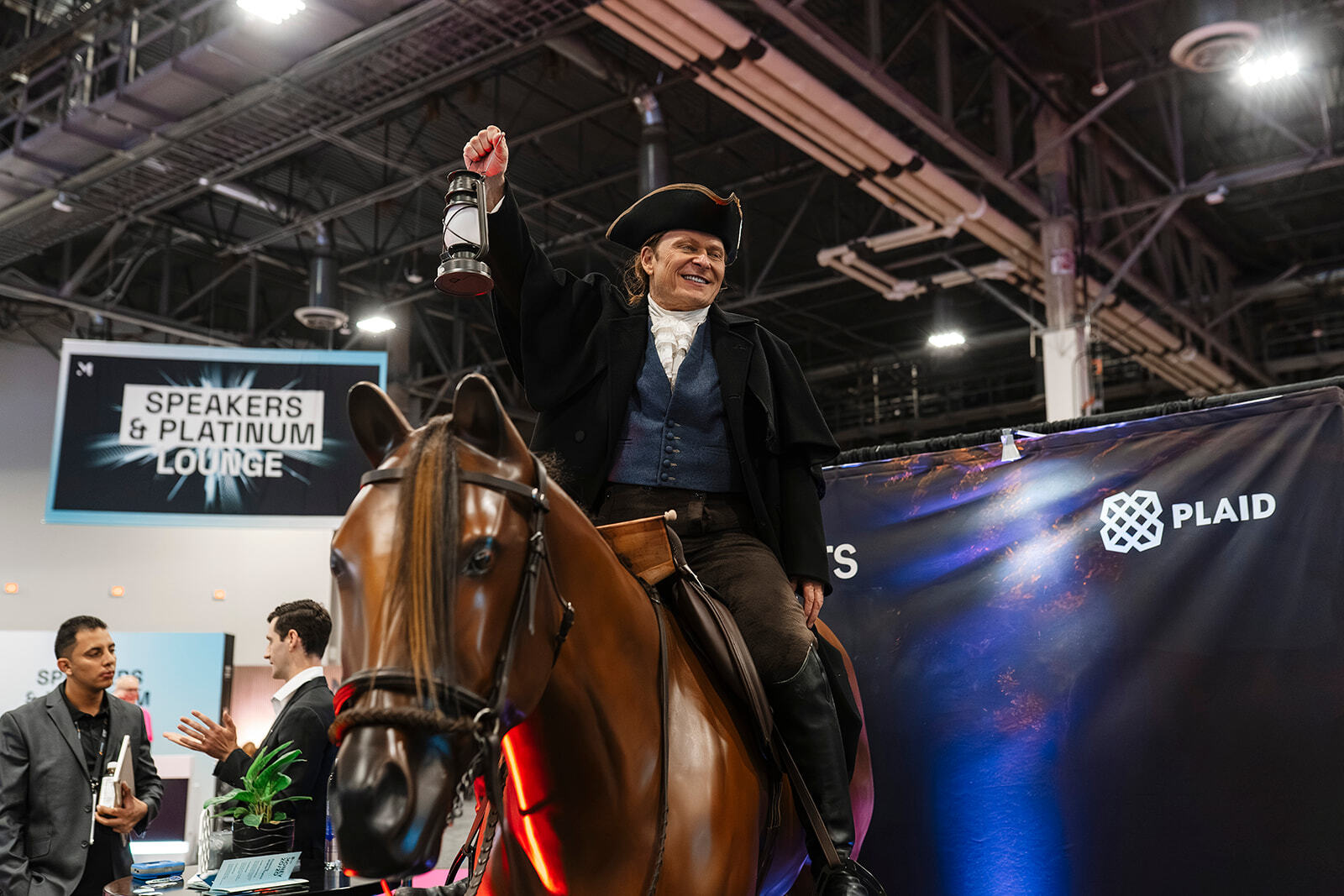
We're still learning how our brand shows up in the real world, especially during a time when most people in tech are desperate to put away their screens and talk to real humans. We're finding enormous success. The more we try something new, the more we test new tools and let our guard down, the more we have fun as a brand—while educating people about the real dangers and threats facing the digital finance industry to day. If our message cuts through and our story resonates with just one customer, connecting with them where they are in their financial journey, we know we're doing our job.
What I learned…
Material matters
Brand doesn't stop at color, type, or illustration. Brand is a feeling, and feelings are instantaneous when you walk into a space. The joy of spatial design is that it leads to so many unexpected discoveries. With a new brand, we had to find a lot of avenues to play with our system, but always came back to the grounding metaphor of material. How something feels, sounds, and looks are all impacted by material and light. Together, space primes the brain for a particular kind of message. The right atmosphere can elevate the right story when it's built with intention.
AI can build a blueprint. Art can capture a room.
We used AI extensively when constructing our vision for Plaid's experiential design language. With a limited budget, we spent hours drafting mockups of what our sets and booths could look like before even touching a plan. With real 3D mockups, it was easy to paint a picture for leadership and review the brand language, which left extra room to experiment and play. This became especially useful when we decided to dip our toes into the out-of-home advertising space. Pitching new ideas like oil painting would never have been possible before if it weren't for the lightspeed painting abilities of generative AI. However, despite all its magic, the final product of all our assets required a deft and artistic hand. AI simply cannot compete with the craftsmanship and detail of art and architecture itself.
Let words set the tone.
Copywriting works best when it harmonizes with art. This was especially true in our efforts to tell a complex story across an entire year of Plaid experiences. From keynote addresses to fireside chats, the copywriters leaned into a new Plaid voice to help elevate the brand, allowing art to follow their lead. The hilarious line "The fraudsters are coming" informed the new direction for the artwork, while converational scripts for Effects brought our customers along for the journey, reframing highly-technical products in an easy-to-understand series of presentations. The tone of our space and the irreverance of our advertising brought walls down, allowing our sales teams to close more deals than they ever have, proving once again that the right word, uttered in the right walls, can strike the right note.